1956June
The church steps 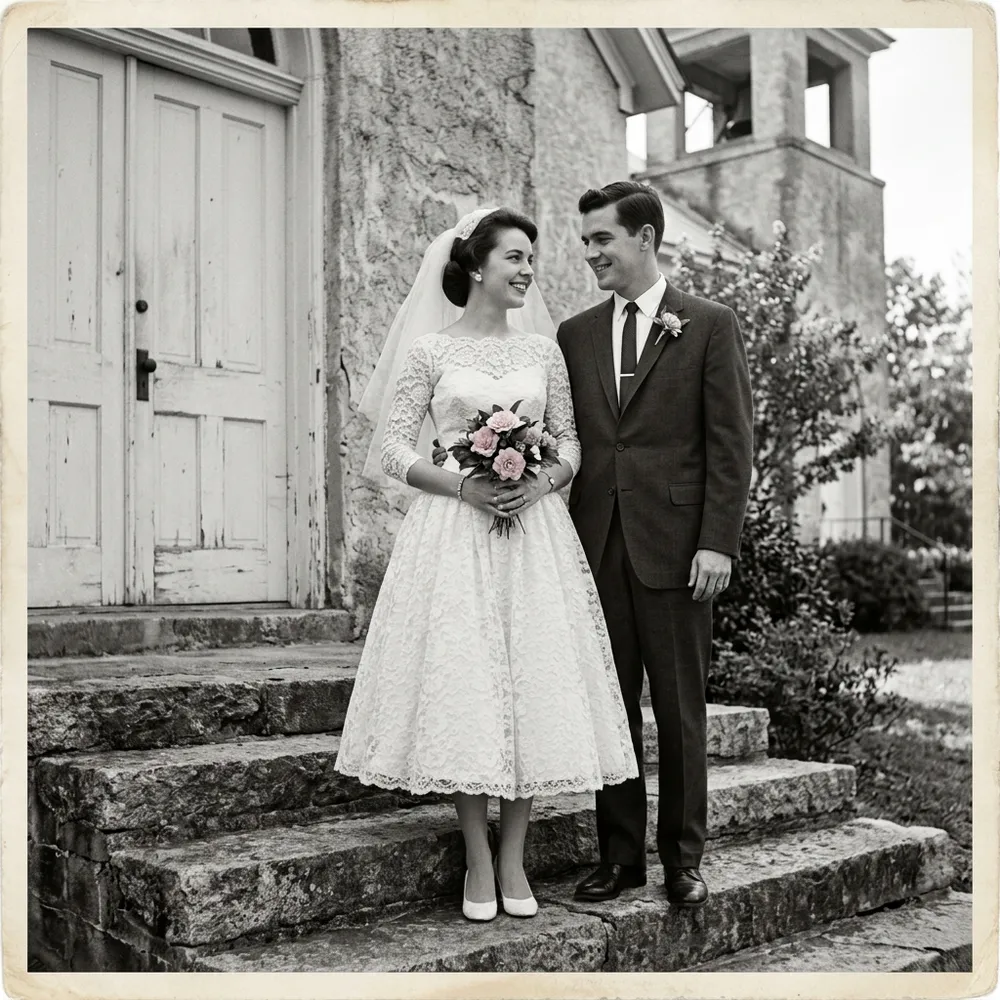
Mama kept this one in her nightstand, not on the wall. She said the ones on the wall were for company.
June Whitfield Parks · original preserved 6 2 1
 Everly
 Everly gathers what each of you remembers — the scans, the letters, the things she used to say — into one archive that belongs to the family and outlives every phone it was made on.
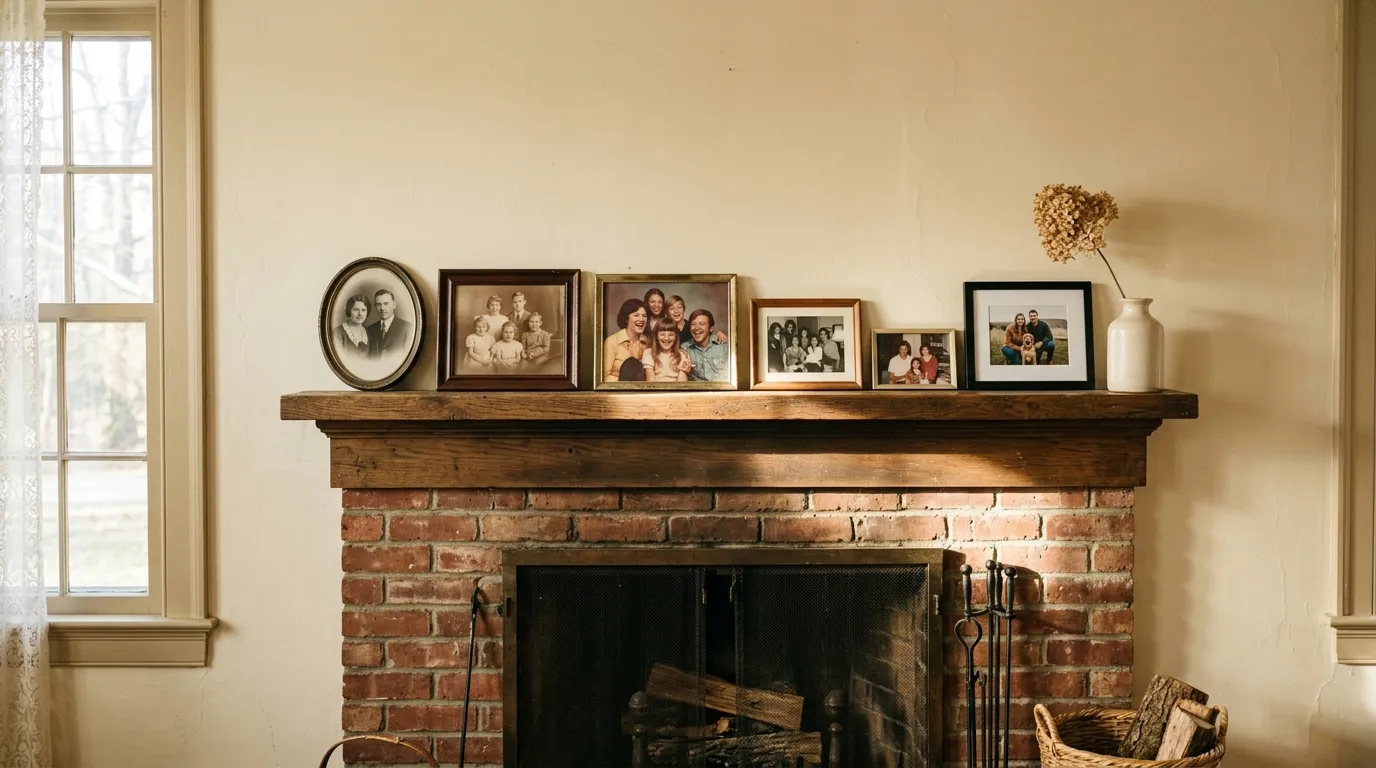
A physical memorial is carved or cast, and holds names and dates. A digital memorial holds the rest: the person’s story, their voice, the photographs, the letters and papers, the film, and what the family remembers — gathered in one place, with a record of who gave each piece, kept as it was given, and passed on when its keeper is gone. It can be made after a death, or by a person for themselves while they are here; like a monument that is set in life, the closing date is the only thing added later.
Story and voice, photographs and video, letters and documents — with the original of each kept exactly as it came, and the name of the person who gave it.
The family, together. One person starts it and invites the rest; each adds from where they are, under their own name, and the memorial is told in the order things happened.
A named steward takes it on when its keeper is gone. Nothing is sold as engagement or buried in a feed. It is a place to return to, not a page to scroll past.
Their name and the years, and it exists. One photograph with a sentence under it is already a memory worth keeping.
Everyone adds from where they are — a cousin’s camera roll, an aunt’s shoebox, a brother who only remembers what she said.
You nominate a steward. When you are gone the archive passes to them intact, with every original and every credit attached.
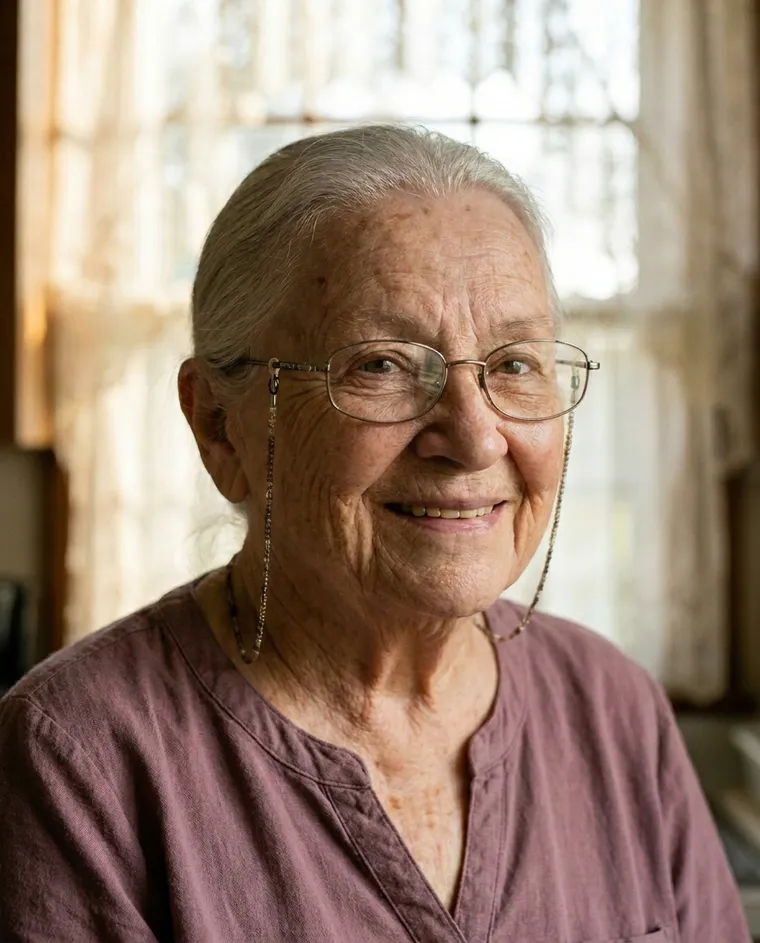
Schoolteacher for twenty-six years in Hart County, gardener for all of them. The house by the river was hers.
Mama kept this one in her nightstand, not on the wall. She said the ones on the wall were for company.
“I have decided I am not frightened of the winters here, only of being useless in them.” Transcribed from the letter; the scan is kept with it.
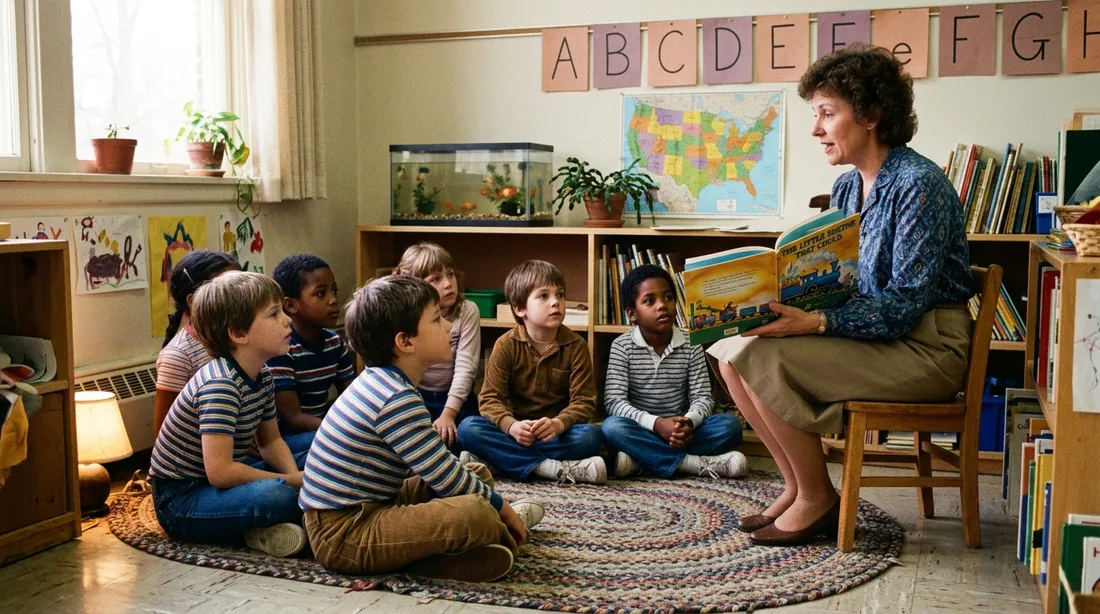
Twenty-six years of first grades and she read the same book to every one of them. Half the county can still recite it.
The flood year, told the way she told it every August. You can hear the screen door and somebody laughing in the kitchen.
When that account goes quiet, the album goes with it. A memorial has a named steward, and passes to them whole.
A memorial is told in the order it happened — 1956 before 1979 — whoever added which part, and whenever they got to it.
Everly keeps the original. The scan you uploaded is the scan that is kept, with your name on it, and you can take it back out.
The first thousand accounts, while we learn what families actually need from a memorial. You make one, invite the people who were there, and use it as you would. There is nothing to pay.
Tell us what is wrong, missing or confusing. A person reads every piece of feedback, and the pilot decides what Everly becomes.
Whatever you make during the pilot stays yours, and can be exported at any time. Paid plans for larger and private memorials come later; you will be told before anything changes.